
Backlinks are one of the most important parts of search engine optimization (SEO). When you publish an article on another website and place your website link inside that article, the type of backlink matters a lot. Many beginners create backlinks without checking whether the link is DoFollow or NoFollow. Because of this, they sometimes do not get the SEO benefits they expect.
In this article, we will explain everything step by step in very simple English. By the end of this guide, you will understand what DoFollow and NoFollow links are, why they matter, and how you can easily check them on any website.
What Is a Backlink?
A backlink is simply a link from one website to another website.
For example, if a blog article contains a link to your website, then that link is called a backlink for your site.
Backlinks help search engines like Google understand:
- Which websites are popular
- Which websites are trusted
- Which pages are valuable
The more quality backlinks a website has, the better chance it has of ranking higher in search results.
What Is a DoFollow Link?
A DoFollow link is a normal backlink that allows search engines to pass SEO value from one website to another website.
This SEO value is often called:
- Link Juice
- Authority
- Ranking Power
When a website gives you a DoFollow backlink, it tells search engines:
“We trust this website.”
Because of this, DoFollow links are very important for improving:
- Domain Authority
- Keyword Rankings
- Organic Traffic
- Website Trust
Example of a DoFollow Link
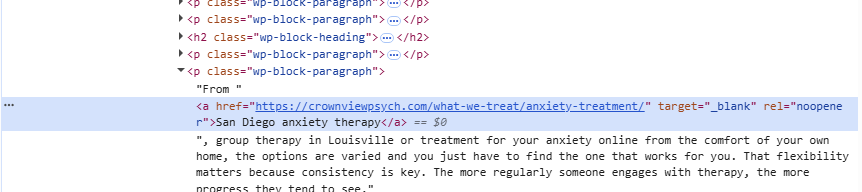
<a href=”https://example.com”>Visit Website</a>
In this code, there is no special tag like “nofollow,” so the link is considered DoFollow.
What Is a NoFollow Link?
A NoFollow link is a backlink that tells search engines not to pass SEO authority to the linked website.
This type of link includes a special attribute called:
rel=”nofollow”
Example of a NoFollow Link

<a href=”https://example.com” rel=”nofollow”>Visit Website</a>
This tells search engines:
“Do not pass ranking power to this website.”
NoFollow links can still bring:
- Website traffic
- Brand exposure
- Visitors
- Sales
But they usually provide less direct SEO value compared to DoFollow links.
Why Is It Important to Check Link Type?
Many people pay for guest posts or link placements without checking the backlink type. Later, they discover the link was NoFollow.
That is why checking the backlink type is very important before and after publication.
Benefits of Checking Backlinks
- Helps verify your SEO investment
- Confirms link quality
- Protects you from fake promises
- Helps improve SEO strategy
- Makes reporting easier for clients
Method 1: Check the Link Manually Using Inspect Option
This is one of the easiest and most accurate methods.
Step-by-Step Guide
Step 1: Open the Article
Go to the webpage where your backlink is published.
Step 2: Find Your Link
Locate the anchor text or keyword connected to your website.
Example:
- “Best SEO Services”
- “Digital Marketing Agency”
Step 3: Right Click on the Link
Now right-click the backlink.
You will see several options.
Click:
Inspect
or
Inspect Element
depending on your browser.
Step 4: Check the HTML Code
A panel will open showing the website code.
Look for code similar to this:
<a href=”https://yourwebsite.com”>
If you do NOT see:
rel=”nofollow”
then the backlink is usually DoFollow.
Step 5: Identify NoFollow Attribute
If you see this:
<a href=”https://yourwebsite.com” rel=”nofollow”>
then the backlink is NoFollow.
Method 2: Use Chrome Extensions
If you check backlinks regularly, browser extensions can save a lot of time.
Several SEO extensions automatically highlight NoFollow links.
Popular Extensions
1. NoFollow Extension
This extension highlights NoFollow links automatically.
Usually:
- Red border = NoFollow
- Normal link = DoFollow
2. SEOquake
SEOquake is a popular SEO tool that shows:
- Link types
- Page SEO
- Internal links
- External links
It is very useful for SEO professionals.
3. Detailed SEO Extension
Detailed SEO Extension provides detailed SEO information including:
- Meta tags
- Headers
- Link attributes
- Technical SEO data
Method 3: Use Online SEO Tools
Online backlink checker tools can also help identify backlink types.
These tools are useful if:
- You manage many backlinks
- You work with clients
- You want detailed reports
Best Backlink Checking Tools
Ahrefs
Ahrefs is one of the most powerful SEO tools.
It can show:
- DoFollow links
- NoFollow links
- Referring domains
- Anchor texts
- Domain Rating
SEMrush
SEMrush provides advanced backlink analysis and SEO reports.
It is widely used by agencies and marketers.
Moz Link Explorer
Moz offers backlink analysis with authority metrics and link tracking.
Understanding Other Link Attributes
Today, websites also use additional attributes besides NoFollow.
These attributes help search engines understand the purpose of links.
Sponsored Links
Sponsored links are used for paid placements or advertisements.
Example:
rel=”sponsored”
This tells search engines the link was paid for.
UGC Links
UGC means:
- User Generated Content
Example:
rel=”ugc”
These are commonly used in:
- Blog comments
- Forum posts
- Community websites
Can NoFollow Links Still Be Useful?
Yes, absolutely.
Many beginners think NoFollow links are useless, but that is not true.
NoFollow backlinks can still:
- Bring targeted traffic
- Increase brand awareness
- Help diversify backlink profiles
- Improve online visibility
- Generate leads and sales
A natural backlink profile usually contains both:
- DoFollow links
- NoFollow links
Which Link Type Is Better for SEO?
For direct SEO ranking benefits, DoFollow links are generally more valuable.
However, the best strategy is maintaining a balanced backlink profile.
Search engines may become suspicious if a website only has DoFollow backlinks.
A natural mix always looks safer and more realistic.
Common Mistakes People Make
1. Not Checking the Link After Publication
Sometimes publishers change links later.
Always verify backlinks after the article goes live.
2. Paying Without Verification
Never assume every guest post includes a DoFollow backlink.
Always ask before payment.
3. Ignoring Traffic Quality
A DoFollow backlink from a low-quality website may not help much.
Website quality also matters.
Tips for Getting Better Backlinks
Focus on Relevant Websites
Links from niche-related websites are usually more powerful.
Choose Trusted Websites
Websites with good authority and real traffic are safer.
Avoid Spammy Backlinks
Too many low-quality links can harm SEO performance.
Monitor Your Backlinks
Regularly check whether links remain active and unchanged.
Final Thoughts
Understanding the difference between DoFollow and NoFollow backlinks is extremely important for anyone working in SEO, digital marketing, or guest posting.
Before investing money in guest posts or link placements, always verify the backlink type carefully. A simple inspection can save both time and money.
DoFollow links usually provide stronger SEO benefits, while NoFollow links can still help with traffic and branding. The smartest approach is to maintain a balanced and natural backlink profile.
By using browser inspection tools, Chrome extensions, and professional SEO platforms, you can easily identify backlink types and improve your overall SEO strategy.